Why Skincare Dupes Fail
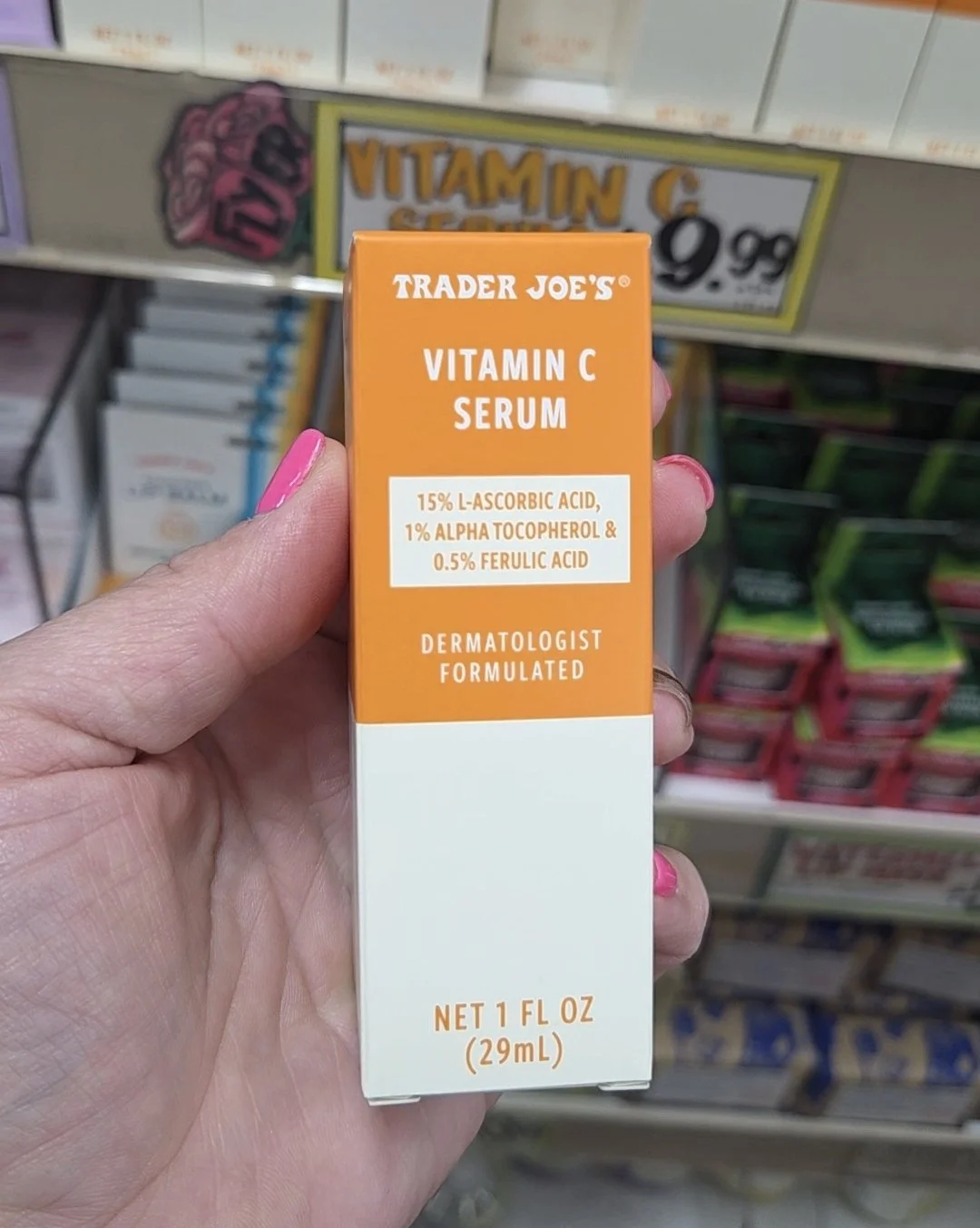
Every week, there seems to be a new viral skincare dupe claiming to deliver the same results as an high end formulas for a fraction of the price.
And I get why that’s appealing. We all want effective skincare that doesn’t break the bank. But the reality is this: Skincare is not just about ingredients. It’s about formulation.
Two products can contain the same active ingredient and still perform completely differently on the skin. This is because what determines results is not just what’s inside the bottle but how that ingredient is stabilized, delivered, protected, and supported.
Formulation quality, stabilization systems, encapsulation technology, delivery methods, supporting ingredients, and packaging integrity all play a role in how well a product works. Skincare effectiveness is about formulation integrity, not just trendy ingredients and percentages!
The Vitamin C Problem: Same Ingredient, Different Outcomes
Vitamin C is one of the best examples of why many dupes don’t work. Many people don't realize that Vitamin C isn't just one ingredient. There are multiple forms of vitamin C, each with different levels of stability, skin penetration, and conversion within the skin. Even if two products both advertise vitamin C, they may be using completely different forms, and even if they use the same form, the formulation still determines how well it performs.
For example, a product may contain L-ascorbic acid at a similar percentage to a high-end formula, but that does NOT mean it behaves the same way on the skin.The difference comes down to stability, oxidation resistance, pH, supporting antioxidants, delivery system, and packaging.
Many people believe stronger means better but that’s not the case. In fact, high-strength L-ascorbic acid can be extremely irritating for many people, especially beginners who have never used vitamin C before. Burning and stinging are not signs that a product is working; they are often signs that the skin barrier is struggling to tolerate it.
A vitamin C product shouldn’t just contain a high dosage of vitamin C but rather a sophisticated formulation to enusre your skin can actually tolerate it and utilize it.
Oxidation: Why Stability Actually Matters
One of the biggest issues with active ingredients in skincare is oxidation. When ingredients degrade, they don’t just become less effective. These ingredients become biologically different.
A helpful way to think about this is fruit: when you cut into an avocado or apple, it looks fresh at first. But over time, it turns brown due to oxidation.The same concept applies to skincare ingredients like vitamin C. Once oxidation begins, the potency decrease, stability breaks down, and antioxidant benefits weaken. You can tell when your vitamin C products start oxidizing because they will start turning brown just like an apple or avocado exposed to air.
And, instead of protecting the skin from free radicals, degraded formulas will no longer function as intended. An unstable active ingredient can eventually become the opposite of what your skin needs. Antioxidants like Vitamin C will become oxidants, meaning instead of protecting your skin, it’s aging your skin. That’s why formulation and packaging matter so much!
Not All Ingredients Are Created Equal
It’s also important to note that not all skincare ingredients require the same level of formulation complexity. Some ingredients are relatively stable and forgiving, like hyaluronic acid. If you purchase a more affordable formula, the risk is relatively low that it will degrade. However, this still does not mean that it has a delivery system to make the product penetration more effective. Hyaluronic Acid is more effective when there is multi-molecular weights of hyaluronic acid in a product. This means that there’s hyaluronic acid molecules of different sizes, which allows them to penetrate to different depths in your skin. There are also extracts that can be added to a formula to help pull hyaluronic acid deeper into your skin.Without a proper delivery system, you’re still not getting the full benefit of the ingredients in your products.
Retinol: One of the Most Misunderstood Ingredients
Retinol is one of the most misunderstood ingredients in skincare. Many people expect retinoids to cause redness, peeling, flaking, and irritation because they've been told that's simply part of the process. In reality, those reactions are often signs that the skin barrier is being challenged faster than it can adapt.
A well formulated retinol doesn't just focus on the active ingredient. It also includes ingredients that help support the skin barrier, maintain hydration, and improve tolerability while your skin gradually adjusts.
I always recommend introducing retinoids slowly. Instead of applying them every night from the start, gradually increase the frequency over several weeks, allowing your skin time to adapt. This approach helps maximize results while minimizing unnecessary irritation.
Too often, I see clients who have been using only a prescription Retin-A without any barrier support. Their skin is dry, tight, flaky, or irritated, and there's a buildup of dead skin cells on the surface. While retinoids are incredibly effective ingredients, healthy skin shouldn't have to live in a constant state of irritation.The goal isn't to survive your skincare routine. The goal is healthy, resilient skin that can consistently benefit from it.
Remember that the best retinoid isn't the strongest one; it's the one your skin can use consistently.
The Skincare Graveyard Problem
One of the most common patterns I see is what I call a “skincare graveyard.” It’s the collection of half-used products sitting in bathroom cabinets. The things that were trendy, recommended, or promising… but you never finished because you didn’t get the results you expected. You buy something new, try it for a bit, maybe see minimal change, and then move on to the next trending product.
Before you know it, you have multiple half-used serums, expired actives, products you forgot you owned, and nothing actually working consistently.
The truth is, most people don’t have a skincare routine. They have a rotation of unfinished products. And even when people find something that works, they often don’t use it long enough to see real results.
A skincare graveyard is what happens when products don’t deliver fast enough to earn consistency.
The Consistency Problem
Even the best-formulated product in the world won’t work if it’s not used consistently. But the opposite is also true: even perfect consistency can’t fix a poorly formulated product. Skincare results require both the right formulation and enough time for biological change
Retinol, for example, requires patience. So do most active ingredients that affect collagen production, pigmentation, and cell turnover. You need a minimum of 3 months of consistent use to see significant changes with these types of formulations.
But in reality, many people stop early because they don’t see instant results, they experience temporary irritation, or they switch to something trendy and new. People stop right before the results start.
Skincare Doesn’t Exist in a Lab; It Exists in Real Life
Another factor most people overlook is how skincare is actually used in real life. Not in controlled lab conditions.
People tend to store products in warm bathrooms, leave caps open during routines, use droppers directly on skin, introduce bacteria into products by dipping their fingers in jars, and keep products far past ideal usage timelines.These habits affect stability, especially for fragile active ingredients.
Even something as simple as touching a dropper to the skin can introduce bacteria and speed up degradation.That’s why packaging matters more than most people realize! Airless pumps preserve stability, opaque containers reduce light exposure, and controlled dispensing protects formula integrity
A skincare routine that looks good on camera isn’t always good for the product or your skin.
Less, Better, and More Intentional
The goal of skincare shouldn’t be to collect more products. It should be to use fewer, better formulated products consistently enough to allow real change to happen. Because skincare success is not just about finding the right product, it’s about using the right product long enough for biology to respond.
Effective skincare is about stability, delivery, compatibility, and consistency, not just price tags, brand names, or viral trends!